
TradeSailer project
Be part of the development of the next generation wind driven cargo ships.

TradeSailer project
Be part of the development of the next generation wind driven cargo ships.
Be part of the change.
Join us on this exciting journey to make a real change.
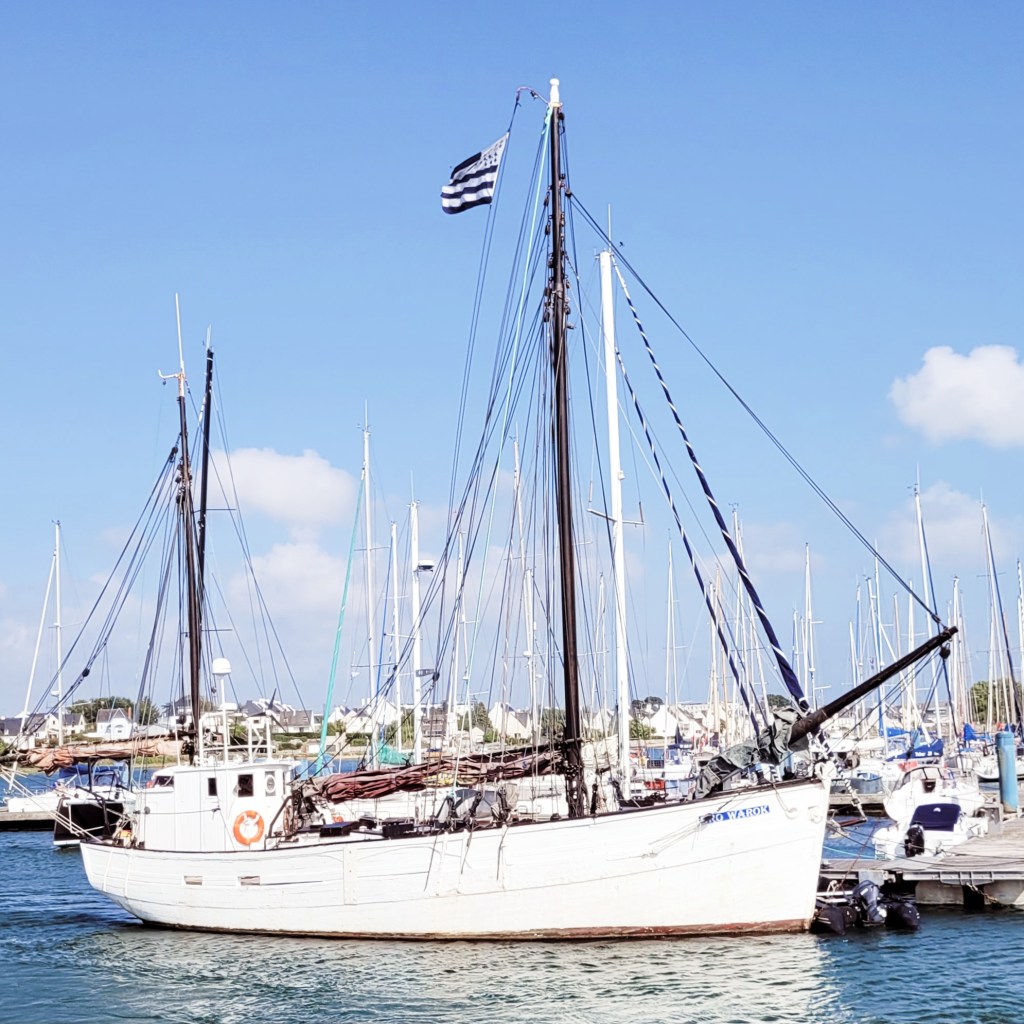
Heritage
Looking back to move forward. Taking lessons from the past to develop the solutions for the future.
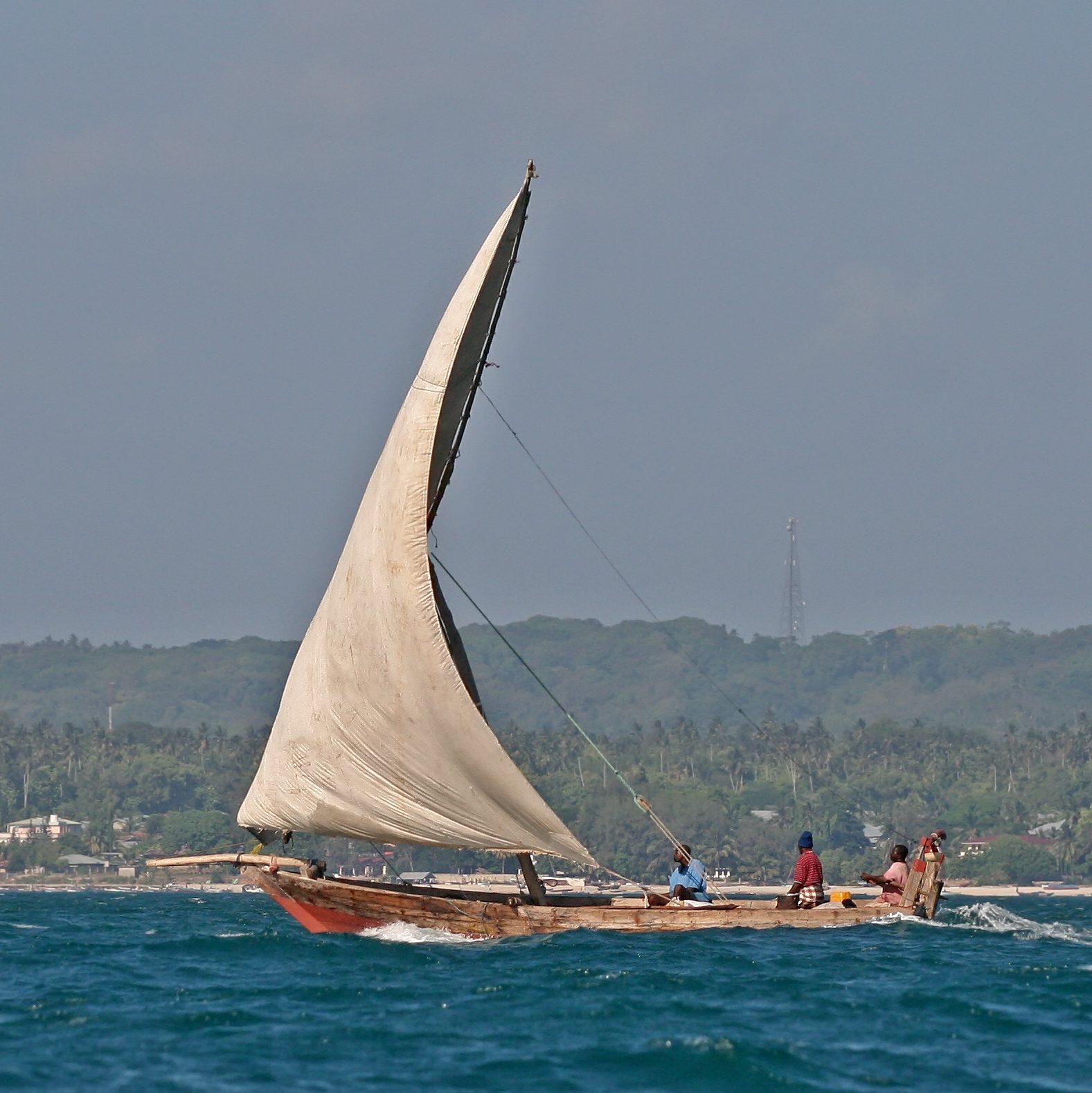
Adapted
By deep listening to those who have been living the life and know what works the vessels are ready for their future roles.

Experience
Our extensive experience in designing and building boats is embedded in the DNA of the fleet.
What people say about us
“
“TradeSailer makes ship design and choice as off-the-shelf as you can get, which is perfect for start-up operations and small fleets looking to make a dent in the energy transition.”
Steven Woods, International Wind Ship Association
“

From our blog
-
The first half of the second iteration.
This week no boring PowerPoint presentation but just me and the 3D model. We look at the updated hull shape, which has been modified for the new displacement and centre of bouyancy location. Also the panels are faired and made developable and the bow shape has been fixed. For the Keel, Rudder, Sails and Rig…
-
Sail, Rig, Keel and Rudder
This week we make 2 steps in the design spiral. We define the Sails, Rig, Keel and Rudders. These need to be done together as they are balanced with each other in sailing vessel design. In this stage of the design the areas of the Keel and Rudders are based on experience numbers, “Rule of…
-
TradeSailer 120
We are excited to announce out latest Design Concept which will be available to build later this year. Watch this space. 🙂 Developed for Steven Woods of Bay State Sail Freight, the TradeSailer 120 is a purpose-built aluminium sailing cargo vessel and the smallest model in our fleet. This Bermudan ketch-rigged monohull has been designed…
-
Transitioning to Low Carbon Sea Transport Conference
Majuro, Marshall Islands – December 2025 We recently attended a three-day workshop organized by GIZ in Majuro, Marshall Islands, alongside Brad Ives and Evy Ben Resheph from Clean Voyages. During the event, we presented the TradeSailer designs (TSP350 & TSP450), which we developed together based on their 12 years of experience operating the sailing cargo…
-
Transition to Low Carbon Shipping Conference: Interview with Brad Ives
After the conference I sat down with Brad Ives to reflect on our experience at the three-day conference organized by GIZ in Majuro, Marshall Islands. Please find the recording of this interview below. We participated in a series of workshops and presented our TradeSailer Design Concepts, which generated significant interest and discussion among attendees. The…
-
Basic Design
In this episode we look at the Scope of Basic Design. The next Iteration of the Design Process. The drawings that will be developed in this Iteration are divided in the following groups: General, Construction, Mechanical, Outfitting, Interior and Electrical. These drawings are used for a yard to create a quotation and can be sent…
-
Final step Concept Design
In this video we discuss the results of the second Iteration. Mainly focusing on the results of the second half of the iteration. Where the construction get’s recalculated, the resistance and power is checked, the weight & moment updated and the Hydrostatics and stability is recalculated. This concludes the Concept Design stage and sets us…
-
Definition 2nd Iteration
In this step we discuss the conclusions from the Evaluation of the first Iteration and translate these into the Definition of the second iteration.Also I include the comments of previous weeks video.The next episode will be the first half of the second iteration up to and including the General Arrangement.
-
The Evaluation step.
We look back at the previous steps and analyze the outcomes and what we learned from these steps. We look at the Hull and Deck design, the Keel, Rudder, Sails and Rig Design, the General Arrangement, the Construction, the Resistance and Power, The Weights and Moments and the Hydrostatics and Stability.Also we look at the…
-
Hydrostatics & Stability
This is the last step of this Iteration before we evaluate the outcomes in the next episode. For this step we use the loading conditions we determined in the previous step; weights and moments.We look in this step at the Hydrostatics, how the boat sits in the water when it is free to trim at…
-
WEIGHT & MOMENTS
This step of the first iteration of the design of a 30m Sailing Cargo Vessel is used to determine the weight of the vessel and the location of the center of gravity.The first step is to determine the Lightship weight. The lightship weight is the weight of the functional ship items. It uses the General…

 TradeSailer project